Start building a more resolutive network
Book a demo and we'll show you the impact with your network's own numbers.
A call for centralized clinical databases to revolutionize predictive medicine and improve global patient care.
 David Calderón2 min read
In the last decade, we have witnessed a technological revolution in healthcare. AI, big data, and advanced communication platforms are transforming how medical professionals collaborate, diagnose, and treat patients. But to truly harness the potential of these innovations, there is an urgent need for governments, hospitals, clinics, universities, medical associations, and insurers to unite in building centralized clinical databases.
Centralized clinical databases represent a powerful tool for modern healthcare—a single repository where case studies, patient outcomes, and treatment results from around the world are collected, analyzed, and shared. Such a resource would enable the shift towards predictive medicine, allowing healthcare providers to foresee potential health issues before they arise, based on patterns observed in similar cases globally.
Governments and health ministries can play a pivotal role in this transformation by promoting policies that encourage data sharing while ensuring patient privacy and data security. This kind of regulatory support would not only accelerate the creation of these databases but also ensure that they are used to their fullest potential in public health planning and disease prevention.
Healthcare providers, from large hospitals to local clinics, must also recognize the benefits of contributing to and accessing these databases. By pooling data from diverse patient populations, clinicians can make more informed decisions, using evidence from similar cases to choose the most effective treatments. This, in turn, can lead to the constant refinement of clinical guidelines, which are essential for delivering the best possible care.
Universities and medical schools can leverage these databases for research and education, ensuring that the next generation of healthcare professionals is trained with the latest, evidence-based knowledge. Medical associations and societies can use this data to update practice guidelines, ensuring that standards of care evolve in real time with the latest evidence.
Finally, insurers stand to gain by supporting this initiative. By analyzing treatment outcomes on a global scale, they can better assess risks and outcomes, leading to more accurate policy pricing and, ultimately, lower costs for both providers and patients.
The time to act is now. By collaborating to build centralized clinical databases, the entire healthcare ecosystem can benefit. Predictive medicine will become a reality, clinical guidelines will be continuously updated with the best possible evidence, and patient care will improve globally. This is more than just a technological advancement; it is a moral imperative to provide the best care possible by using the best data available.

Learn how AI-powered medical chats are transforming B2B telemedicine in Colombia through greater operational efficiency, better patient care, and measurable ROI for hospitals and clinics.
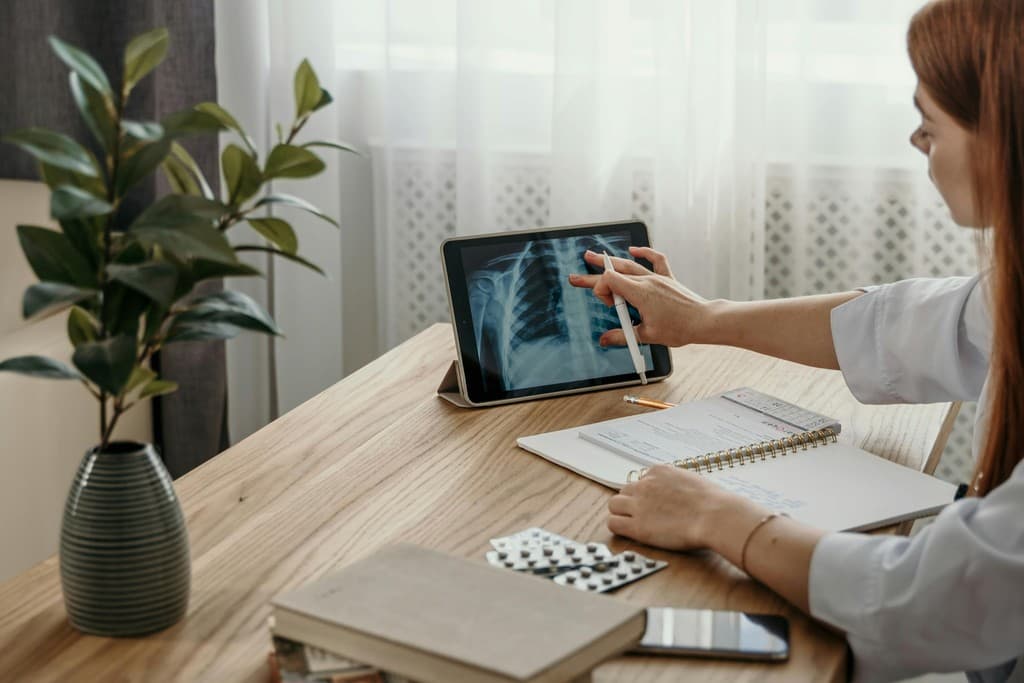
Building trust in healthcare: the critical role of data security and interoperability.
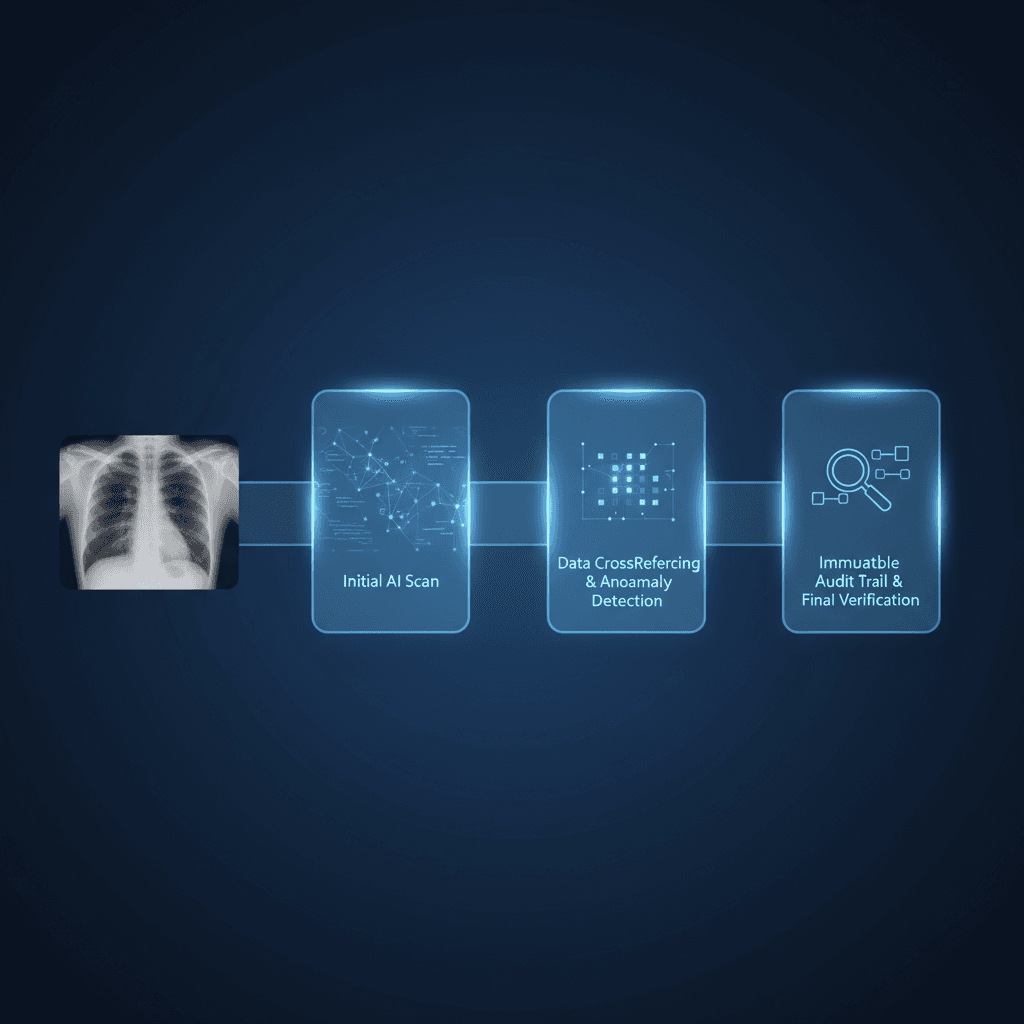
VeriMed is the system Teral uses to verify that every X-ray and clinical photo is authentic and belongs to the case it accompanies. Here's how it works — and why the final decision is always made by a human.
Book a demo and we'll show you the impact with your network's own numbers.