Start building a more resolutive network
Book a demo and we'll show you the impact with your network's own numbers.
Breaking habits in medicine: why innovation adoption can be slow.
 David Calderón2 min read
In the realm of medicine, where every decision can mean the difference between life and death, the stakes are high, and the need for innovation is ever-present. Yet, despite the clear advantages of new technologies, changing the daily habits of medical professionals can be surprisingly difficult.
Take, for example, the transition from paper charts to electronic health records (EHRs). The benefits were obvious: better organization, easier access to patient history, and reduced errors. Yet, the adoption of EHRs was met with resistance. Why? Because habits are hard to break. The familiar comfort of the pen and paper felt safer, even if it was less efficient.
Today, we face a similar challenge with the integration of AI-powered tools in medical practice. Imagine a "medical copilot" that assists a dermatologist in identifying early-stage skin cancer or supports a general practitioner in a remote village by facilitating a peer consultation with a specialist halfway across the world. The technology is here, but its widespread adoption depends on breaking the cycle of entrenched habits.
Medical professionals are trained to rely on their judgment, honed over years of experience. Introducing AI into this dynamic requires a shift in mindset—a willingness to trust in technology as an ally rather than a competitor. It's not just about presenting the best evidence; it's about understanding and respecting the routines and behaviors that define the daily lives of doctors.
Platforms that succeed in this space will be those that seamlessly integrate into these routines. They will adapt to the communication habits doctors already have, enhancing rather than disrupting their workflow. And as these platforms grow, a clinical case database will emerge, building a powerful resource that can identify the most effective treatments based on real-world outcomes.
The lesson here is that changing habits is not just about proving the benefits; it's about understanding the human factors that drive behavior. When we can align new technologies with existing practices, we open the door to significant advancements in healthcare—transforming how decisions are made and ultimately, improving patient outcomes.
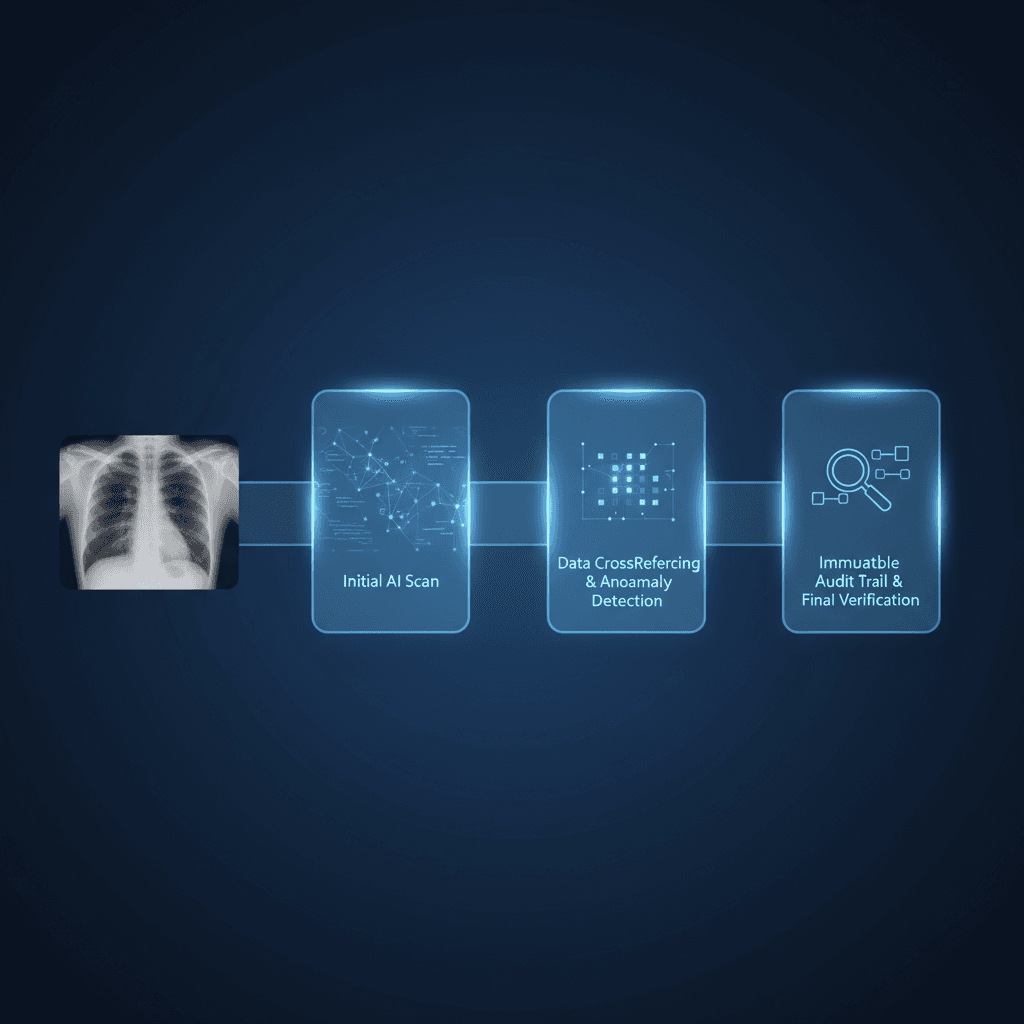
VeriMed is the system Teral uses to verify that every X-ray and clinical photo is authentic and belongs to the case it accompanies. Here's how it works — and why the final decision is always made by a human.

A practical guide for medical directors and CIOs on selecting and integrating AI medical chat platforms to improve care and efficiency in Colombian healthcare institutions.

Learn how AI-powered medical chats are transforming B2B telemedicine in Colombia through greater operational efficiency, better patient care, and measurable ROI for hospitals and clinics.
Book a demo and we'll show you the impact with your network's own numbers.